
Look a little closer
Sonar Qila & Old City Heritage Walk
A living fort, carved stone havelis, 12th-century Jain temples, and the everyday stories of old-city lanes.
Overview
Jaisalmer Fort is not an empty monument frozen in amber; it is one of the world’s very few living citadels, home to thousands of residents whose ancestors have walked these sandstone cobblestones for nine centuries. This guided walk reveals the layers of royal history, climate-responsive stone architecture, and vibrant community life.
The FolkMiles approach
Why This Experience is Different
What to expect
What You Will Experience
- Entering through the four grand fort gates (Akhai Pol, Ganesh Pol, Suraj Pol, Hawa Pol)
- Walking cobblestone residential lanes where children play and cows wander past family doorsteps
- Admiring the delicate marble and stone carvings of the 12th to 15th-century Jain temple cluster
- Visiting the Maharaja Mahal (King’s Palace) and learning about the royal Bhatti Rajput dynasty
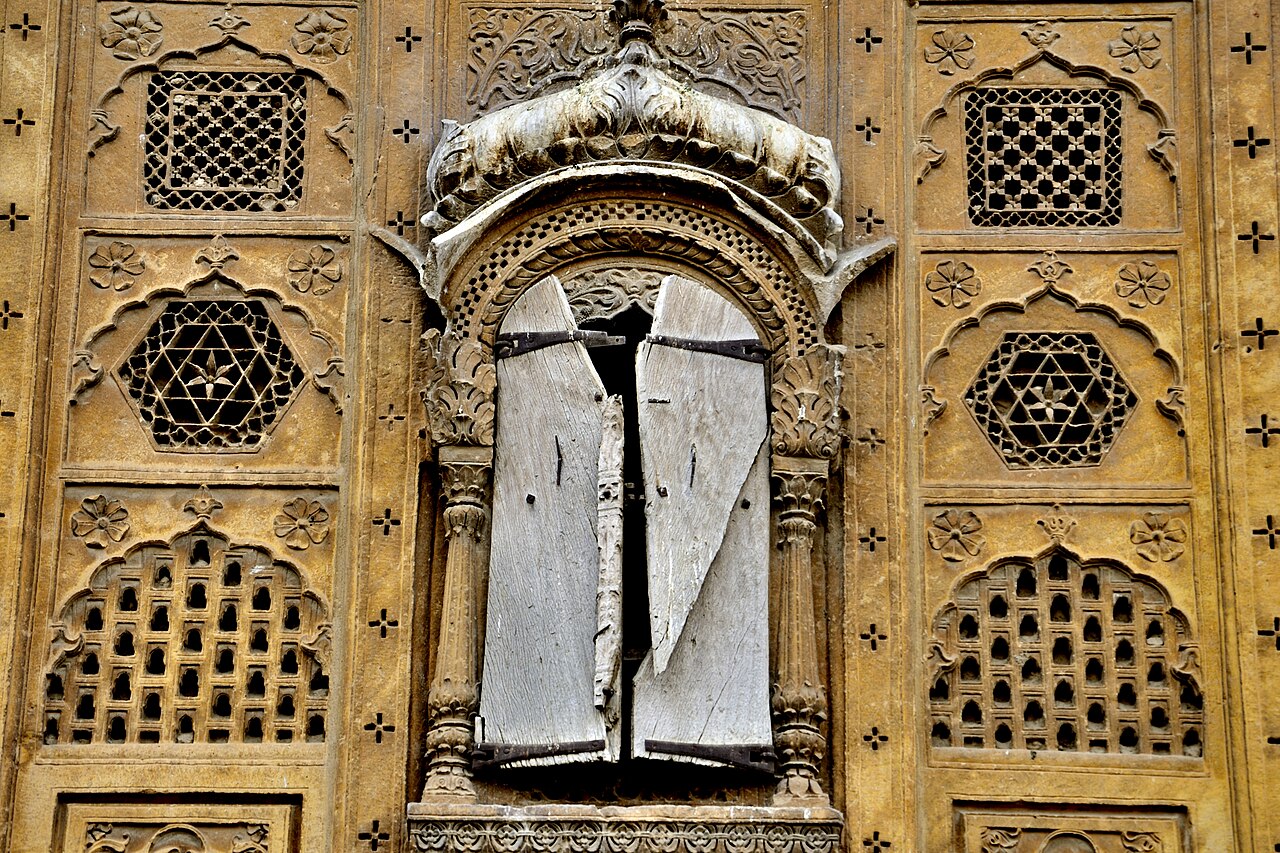
- Exploring Patwon Ki Haveli, Nathmal Ki Haveli, and Salim Singh Ki Haveli
- Taking in sweeping 360-degree views of the Golden City from historic fort bastions
Local context
Stories Behind the Sand
Built in 1156 AD by Rawal Jaisal atop Trikuta Hill, the fort controlled lucrative Silk Route trade between India, Persia, and Arabia. Wealthy merchants built elaborate multi-storey havelis with intricate stone fretwork to display their affluence.
Important Notes
- • Cobblestone lanes can be uneven; sturdy flat walking shoes are recommended.
- • Jain temples require removal of shoes and leather items (belts, wallets) before entry.
- • Modest attire covering shoulders and knees is required for entering sacred spaces.
What to Bring
- • Comfortable walking shoes with good traction
- • Socks for walking comfortably on stone temple courtyards in sunny weather
- • Sun hat, sunglasses, and personal water bottle
- • Camera with a wide-angle lens for narrow haveli lanes
Flexible planning
How We Can Customize This
We adapt timings, group sizes, and complementary stops around your travel itinerary:
- Add an early morning photo-walk before tourist shops open
- Include a visit to a local stone sculptor’s workshop in the old city
- Adjust route length for travellers requiring fewer stairs or gentle walking paths
Frequently asked questions
Common Questions
How much walking is involved in the fort and haveli tour?
The walk covers approximately 2 to 3 kilometres over 3 to 4 hours at an easy, conversational pace with frequent stops in shady courtyards and viewpoints.
Is the fort wheelchair or stroller accessible?
Due to historic cobblestones, inclines, and stone staircases, wheelchair access inside the fort is limited. However, we can arrange electric rickshaws to reach main public squares.
Are entrance tickets included?
Ticket costs for the palace museum and havelis can either be itemized in your written quotation or purchased directly at the counters based on your preference.
Your next story starts here
Let’s make it
your kind of journey.
Tell us a little about your Jaisalmer plans.
We’ll take it from there, together.